Overpronation & Underpronation (Supination): Causes, Symptoms & Fixes
Have you ever wondered why your knees ache after a morning jog, or why your feet feel tired even after a short walk? The answer might lie in how your foot strikes the ground. Overpronation and supination—two common foot alignment problems—affect millions of people worldwide, yet many don't even realize they have these conditions until chronic pain sets in.
Your feet are remarkable structures. Each foot contains 26 bones, 33 joints, and more than 100 muscles, tendons, and ligaments working together with every step you take. But when your foot mechanics go off track, the ripple effects can travel up your entire body, causing problems far beyond your feet.
What Are Overpronation and Supination?
To understand these conditions, we first need to talk about pronation—a natural, healthy movement where your foot rolls slightly inward as it strikes the ground. This rolling motion helps absorb shock and adapt to different surfaces. Think of it as your foot's built-in suspension system.
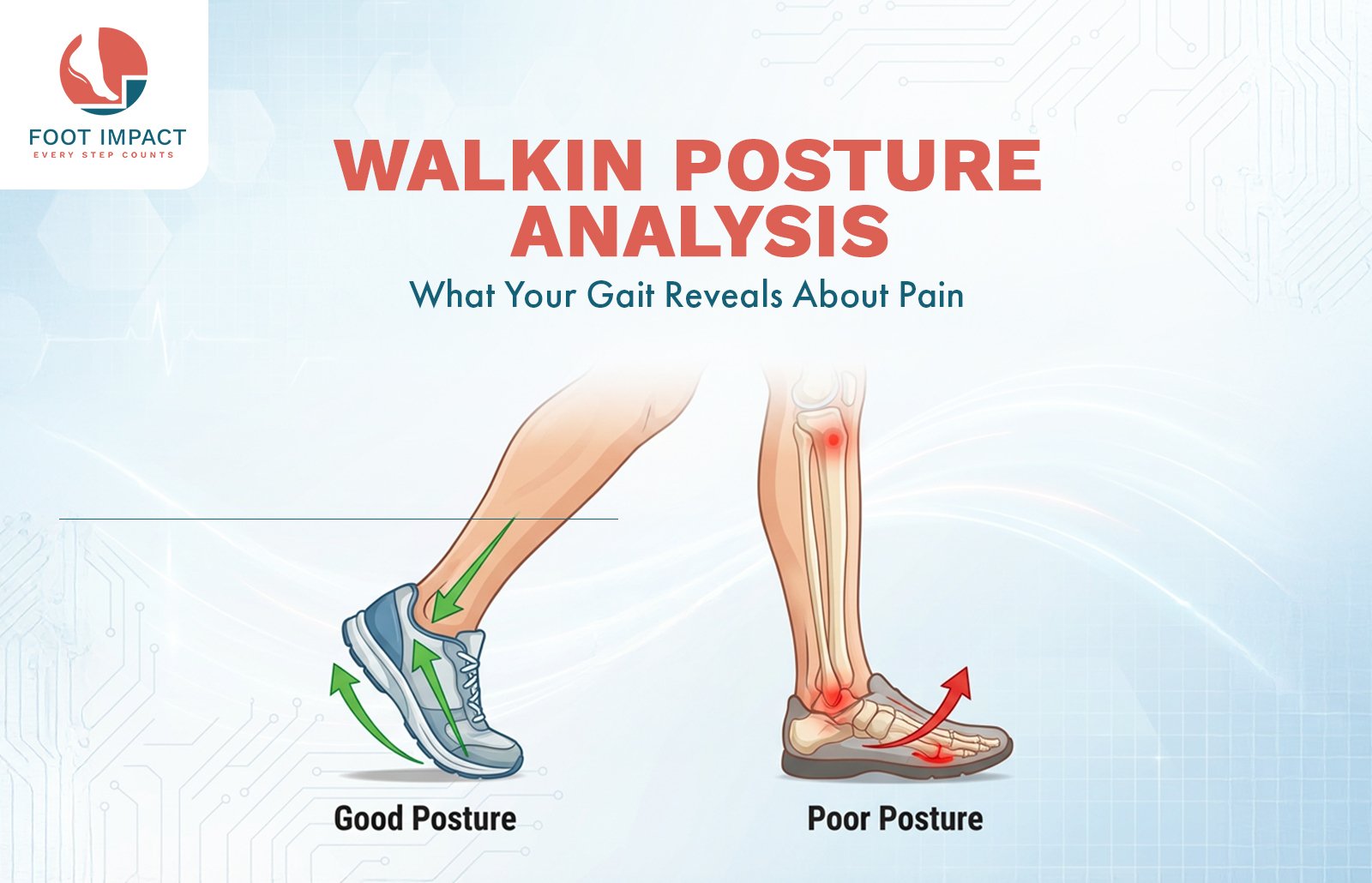
Overpronation happens when your foot rolls inward too much—more than the normal 15 degrees. Your arch collapses excessively, and your ankle tilts inward. If you look at someone with overpronation from behind while they're walking, you'll notice their heels leaning significantly inward, almost as if they're walking on the inner edges of their feet.This kind of deviation commonly seen in the Flat Feet or reduced arch foot patterns.
Supination (also called underpronation) is the opposite problem. Your foot doesn't roll inward enough, staying rigid on the outer edge. This means your foot can't absorb shock properly, and the impact travels straight up through your leg bones. People with supination often show excessive wear on the outer edges of their shoe soles. This kind of walk is commonly seen in the High arch & pes cavus deformity.
Why Do These Foot Alignment Problems Develop?
Several factors contribute to overpronation and supination, and understanding your risk factors is the first step toward finding relief.
Genetic Factors and Foot Structure
Your foot shape plays a major role. Flat feet (pes planus) naturally lead to overpronation because there's less arch support to control inward rolling. On the flip side, high-arched feet (pes cavus) typically cause supination because the rigid arch doesn't allow normal inward rolling.
These structural variations often run in families. If your parents had flat feet or high arches, there's a good chance you inherited similar foot mechanics.
Weight and Pregnancy
Extra body weight puts additional pressure on your arches, potentially causing them to collapse and leading to overpronation. During pregnancy, hormonal changes loosen ligaments throughout the body—including those in your feet—while weight gain adds extra stress. Many women notice their feet flatten and their shoe size increases during pregnancy, sometimes permanently.
Aging and Wear-and-Tear
As we age, the posterior tibial tendon—which supports your arch—can weaken or become inflamed. This condition, called posterior tibial tendon dysfunction (PTTD), progressively leads to overpronation and is one of the most common causes of adult-acquired flat foot.
Improper Footwear
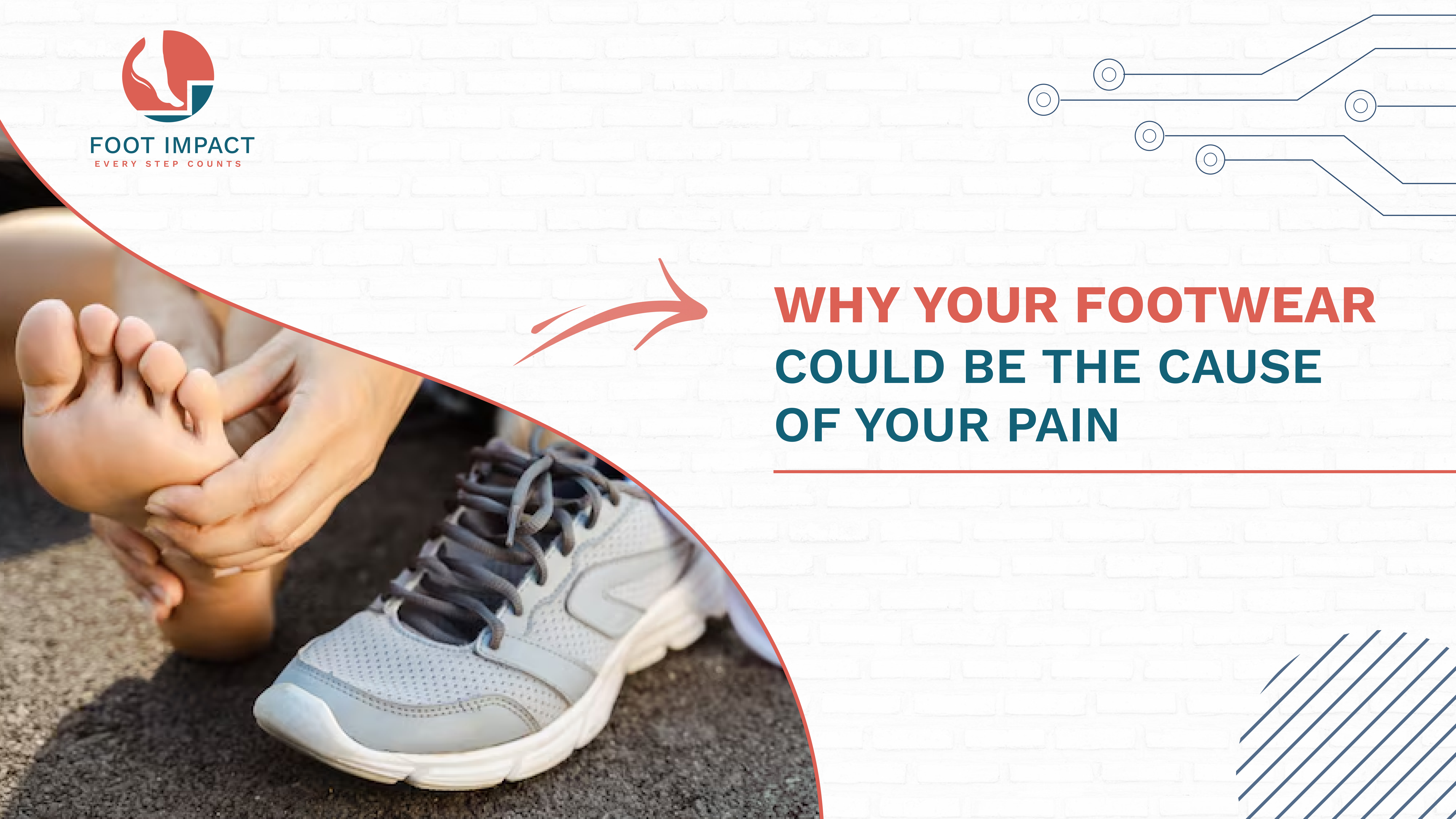
Shoes matter more than you might think. Wearing old, worn-out sneakers with collapsed midsoles fails to provide adequate support, encouraging overpronation. Meanwhile, rigid, unsupportive shoes can worsen supination by not allowing your foot to move naturally. High heels shift your body weight forward and alter your entire gait pattern, potentially contributing to both conditions.
Previous Injuries
Ankle sprains, foot fractures, or Achilles tendon problems can permanently change how you walk, creating compensation patterns that lead to overpronation or supination long after the original injury heals.
Recognizing the Symptoms
The tricky thing about foot alignment problems is that symptoms often appear gradually. You might dismiss early warning signs as normal tiredness or "getting older." Here's what to watch for:
Signs of Overpronation
Foot fatigue and arch pain: Your feet feel exhausted even after minimal activity. The inside of your foot may ache, especially around the arch and ankle.
Shin splints: That familiar burning pain along your shin bone often stems from overpronation forcing your leg muscles to work overtime.
Knee pain: Overpronation rotates your lower leg inward, misaligning your kneecap and causing pain, especially on the inside of your knee.
Heel pain and plantar fasciitis: The excessive arch collapse strains your plantar fascia—the thick band of tissue running along your foot's bottom—leading to that stabbing heel pain many people experience first thing in the morning.
Bunions and calluses: The altered pressure distribution creates friction and bony protrusions, particularly on the big toe joint.
Hip and lower back discomfort: The misalignment travels upward, affecting your entire kinetic chain.
Signs of Supination
Ankle instability: Frequent ankle sprains happen because your foot lands on its outer edge, making you more prone to rolling your ankle.
Supination foot pain: You feel pain along the outside of your foot and ankle, sometimes extending up the outer leg.
Stress fractures: Without proper shock absorption, repetitive impact can crack the bones in your feet and lower legs.
Achilles tendonitis: The rigid foot mechanics place excessive strain on your Achilles tendon.
Lateral knee pain: Unlike overpronation, supination causes pain on the outer side of your knee.
IT band syndrome: That tight, painful feeling running down the outside of your thigh often links to supination.
A Simple Self-Check
Look at your most-worn pair of walking or running shoes. Where are they most worn down?
Heavy wear on the inside edge suggests overpronation
Heavy wear on the outside edge indicates supination
Even wear across the sole means neutral pronation (lucky you!)
The Health Consequences of Ignoring These Issues
Left untreated, overpronation and supination don't just cause foot discomfort—they set off a domino effect throughout your body.
Your feet form the foundation of your entire skeletal structure. When that foundation tilts incorrectly, everything above it compensates. Your knees twist, your hips shift, and your spine curves to maintain balance. Over months and years, these compensations become permanent adaptations, creating chronic pain conditions that seem unrelated to your feet.
Athletes, in particular, face increased injury risk. Runners with uncorrected overpronation develop overuse injuries at much higher rates than those with neutral mechanics. The repetitive stress on misaligned joints accelerates cartilage wear, potentially leading to early-onset arthritis.
Professional Diagnosis: What to Expect
While shoe wear patterns provide clues, only a qualified podiatrist can accurately diagnose and assess the severity of your condition. If you're in Mumbai and experiencing persistent foot, knee, or hip pain, seeking overpronation treatment in Mumbai from a specialist can save you months of frustration.
A comprehensive gait analysis typically includes:
Visual Gait Assessment
The podiatrist watches you walk and run, observing how your feet strike the ground, where they roll, and how the movement affects your knees and hips. They'll examine you from multiple angles, sometimes using video recording to analyze your gait frame by frame.
Foot Structure Examination
They'll analyse your arch height both while standing and sitting, check your ankle flexibility, and assess your overall foot alignment.
Footwear Analysis
Bring your regular shoes to the appointment. The wear patterns tell a detailed story about your walking mechanics that complements the clinical examination.
Biomechanical Assessment
Advanced clinics use computerized Gait (walking) & Posture analysis that shows exactly where and how much force your foot applies with each step.
Treatment Options That Actually Work
The good news! Both overpronation and supination respond well to treatment when addressed properly. The key is combining multiple approaches tailored to your specific situation.
Gait Correction Orthotics: Your First Line of Defense
Custom orthotics are not just fancy insoles—they're medical devices designed to correct your specific biomechanical issues. Unlike over-the-counter inserts, gait correction orthotics are molded precisely to your feet based on detailed measurements and gait analysis.
For overpronation, orthotics feature firm medial arch support that prevents excessive inward rolling while cushioning impact. They realign your heel and redistribute pressure across your entire foot.
For supination, orthotics provide extra cushioning and flexibility, particularly on the outer edge, to encourage more natural inward rolling and better shock absorption.
Most people notice improvement within the first few weeks of wearing custom orthotics. Your feet may need a brief adjustment period—start by wearing them a few hours daily, gradually increasing wear time.
Choosing the Right Footwear
Your orthotics work best when paired with appropriate shoes. Here's what to look for:
For overpronation: Motion control or stability shoes with firm heel counters and structured midsoles. Avoid shoes with too much cushioning, as they allow excessive movement. Look for terms like "stability," "support," or "motion control" on shoe labels.
For supination: Neutral, cushioned shoes with flexibility in the forefoot. You need shock absorption more than control. Look for "neutral" or "cushioned" running shoes.
Replace your shoes every 300-500 miles of use. The midsole compresses over time even when the outer sole looks fine, reducing support and cushioning.
Strengthening and Stretching Exercises
Orthotics correct alignment, but exercises strengthen the muscles that maintain proper foot mechanics. Here are the most effective exercises:
For overpronation:
Calf raises: Stand on the edge of a step, raising up onto your toes and slowly lowering. This strengthens your posterior tibial tendon.
Arch lifts: While sitting, press your toes into the ground and lift your arch without curling your toes. Hold for 5 seconds. This activates your intrinsic foot muscles.
Resistance band inversions: Loop a resistance band around your foot and pull it inward against resistance. This strengthens the muscles that control pronation.
Single-leg balance: Stand on one foot for 30 seconds, focusing on keeping your arch lifted. Progress to doing this with eyes closed.
For supination:
Ankle circles: Slowly rotate your ankle through its full range of motion to improve flexibility.
Calf stretches: Tight calf muscles often accompany supination. Stretch daily by placing your hands against a wall, stepping one foot back, and gently pressing your heel down.
Resistance band eversions: Loop a band around your foot and push outward against resistance to strengthen the muscles on your foot's outer side.
Towel scrunches: Place a towel on the floor and use your toes to scrunch it toward you, working the small muscles in your foot.
Perform these exercises 3-4 times weekly. Consistency matters more than intensity.
Physical Therapy
A physical therapist specializing in foot and ankle issues can develop a personalized treatment program addressing your specific compensations and weaknesses. They use manual therapy techniques to improve joint mobility, guide you through proper exercise form, and address problems up the kinetic chain—your knees, hips, and back—that may have developed due to your foot alignment problems.
Lifestyle Modifications
Small changes make big differences:
Maintain a healthy weight to reduce stress on your feet and arches
Avoid going barefoot on hard surfaces—always wear supportive shoes or orthotics
Gradually increase activity levels rather than sudden jumps in exercise intensity
Cross-train rather than doing only one type of exercise to vary stress patterns
Apply ice after activities if you experience inflammation
Prevention: Protecting Your Feet for Life
If you've corrected your overpronation or supination, you'll want to maintain those gains. If you have risk factors but haven't developed problems yet, prevention is your best strategy.
Invest in quality footwear: Don't economize on shoes. Your feet carry you through life—treat them well. Get professionally fitted, especially for athletic shoes.
Replace shoes regularly: Set a reminder to replace shoes every six months if you wear them daily, or track your mileage if you're a runner.
Stay active with variety: Mix high-impact activities (running) with low-impact ones (swimming, cycling) to prevent overuse injuries.
Listen to your body: Pain is a signal, not something to push through. Early intervention prevents small problems from becoming chronic conditions.
Annual check-ups: Consider an annual gait assessment, especially if you're athletic or have risk factors. Catching changes early makes correction much easier.
Special Considerations for Athletes
If you're a runner, dancer, or participate in sports involving lots of jumping and lateral movement, proper foot mechanics become even more critical. Athletes generate forces through their feet up to three times their body weight with each footstrike.
Many professional athletes use custom orthotics not because they have pain, but to prevent injuries and optimize performance. Better alignment means more efficient movement, which translates to better times, higher jumps, and longer careers.
Work with a sports podiatrist who understands the specific demands of your activity. A cricket player's needs differ significantly from a marathon runner's or a tennis player's.
Finding the Right Treatment in Mumbai
When searching for overpronation treatment Mumbai, look for podiatrists with advanced training in biomechanics and gait analysis. The right specialist will:
Conduct a thorough examination, not just a quick glance at your feet
Use technology like computerized gait analysis or pressure mapping
Explain your condition clearly, showing you exactly what's happening
Create custom orthotics on-site or through a trusted lab
Develop a comprehensive treatment plan beyond just selling orthotics
Schedule follow-up appointments to monitor progress and make adjustments
Your Next Steps
If you recognize yourself in the symptoms described here, don't wait for the pain to worsen. Foot alignment problems rarely resolve on their own—they typically progress over time. But with proper diagnosis and treatment, most people experience significant improvement within a few months.
Start by examining your shoes and paying attention to where you feel discomfort. Book an appointment with a qualified podiatrist for a comprehensive gait analysis. Come prepared with questions, bring your regular shoes, and be honest about your symptoms and activity levels.
Whether you're dealing with overpronation, supination foot pain, or you're simply noticing that something feels "off" when you walk, remember that your feet are complex, adaptable structures. With the right support through gait correction orthotics, appropriate exercises, and proper footwear, you can restore healthy alignment and get back to moving comfortably.
Your feet carry you through life. They deserve proper care and attention. Take that first step today—your knees, hips, and back will thank you for years to come.