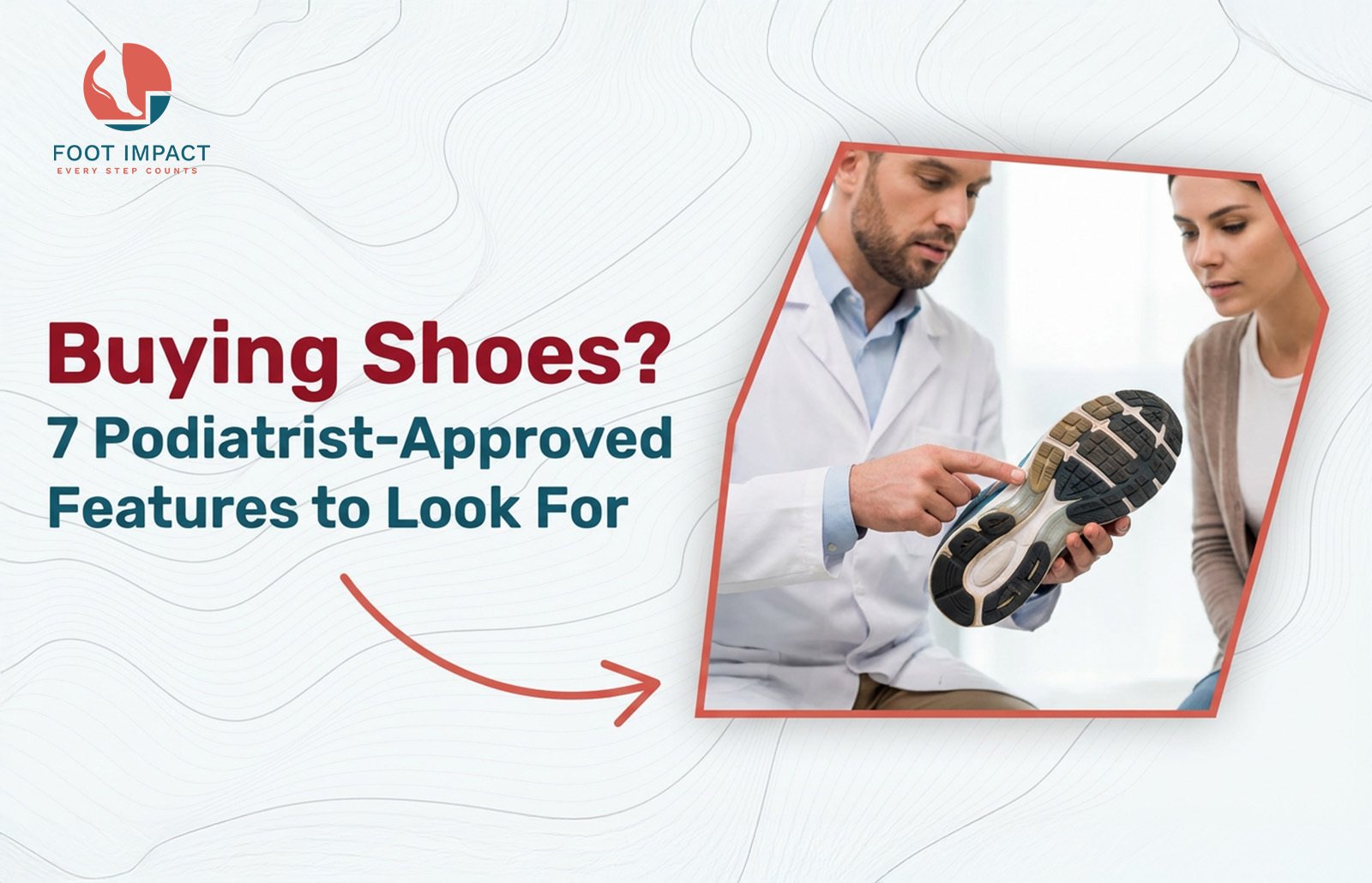
Buying Shoes? 7 Podiatrist-Approved Features to Look For
Your feet carry you through life—literally. Every step you take, every mile you walk, your shoes either support your foot health or silently contribute to problems that may not show up until years later. Yet most of us shop for shoes based on style, brand, or price rather than the features that actually matter for foot health.
As podiatrists who've treated thousands of patients with foot pain, corns, calluses, and chronic conditions, we've seen firsthand how the wrong footwear choices lead to preventable problems. The good news? Learning what podiatrist recommended shoes India experts look for takes just a few minutes, but the benefits last a lifetime. Whether you're shopping for everyday wear, work shoes, or athletic footwear, understanding correct footwear features can protect you from heel pain, flat feet complications, and other common foot problems.
This comprehensive footwear buying guide breaks down the seven essential features that podiatrists evaluate when recommending shoes to patients. These aren't arbitrary preferences—they're evidence-based characteristics that support natural foot biomechanics and prevent injury.
Why Your Shoe Choice Matters More Than You Think
Before diving into specific features, it's worth understanding why podiatrists care so much about footwear. According to research published by the American Podiatric Medical Association, approximately 77% of adults have experienced foot pain, and improper footwear is a leading contributor to these problems.
In India specifically, the combination of climate factors, increasing work hours spent standing, and the shift toward Western-style footwear has created a perfect storm for foot health issues. Traditional footwear like chappals, while breathable, often lacks the support needed for modern lifestyles that involve extended standing or walking on hard surfaces.
The shoes you wear affect everything from your posture and gait to your risk of developing conditions like plantar fasciitis, bunions, hammertoes, and diabetic foot complications. For people with existing conditions like flat feet or high arches, wearing best shoes for foot pain becomes even more critical.
1. Adequate Toe Box Space: Room to Breathe and Move
The first feature any podiatrist examines is the toe box—the front area of the shoe that houses your toes. This might seem basic, but cramped toe boxes are among the most common culprits behind foot problems we see in clinical practice.
What Makes a Good Toe Box?
Your toes should have enough room to wiggle freely without touching the front or sides of the shoe. There should be approximately a thumb's width (about half an inch) between your longest toe and the shoe's end. The width should allow your toes to spread naturally, not squeeze together.
Narrow, pointed toe boxes force toes into unnatural positions, which over time can lead to:
Corns and calluses from constant friction and pressure
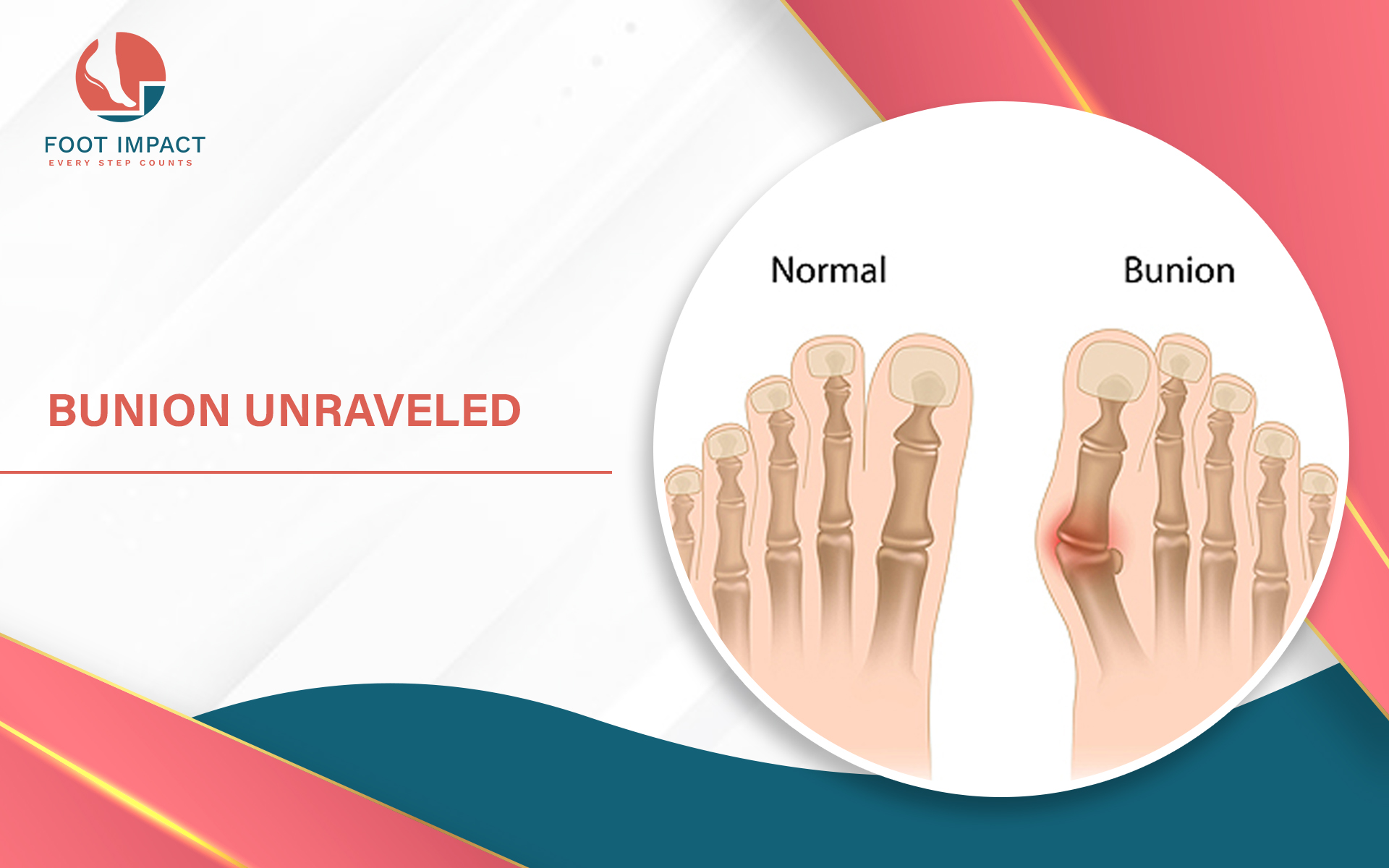
Bunions as the big toe pushes inward
Hammertoes where toes curl abnormally
Ingrown toenails from side pressure
Morton's neuroma (nerve pain between toes)
When you try on shoes, stand up and walk around. Your feet naturally expand slightly under weight-bearing pressure. What feels adequate while sitting might feel tight when you're actually using the shoe as intended.
Cultural Considerations for Indian Feet
Interestingly, research shows that feet structure varies across populations. Indian feet tend to have different width distributions compared to Western standards, yet many popular shoe brands follow Western lasts (foot molds). This makes finding shoes with appropriate toe box space even more important for Indian consumers.
2. Proper Arch Support: The Foundation of Foot Health
Arch support isn't just for people with flat feet—everyone benefits from appropriate support that matches their arch type. Your foot's arch acts as a natural shock absorber, distributing body weight and impact forces as you walk.
Understanding Your Arch Type
Most people fall into one of three categories:
Normal arches: The middle portion of your foot should touch the ground with moderate contact
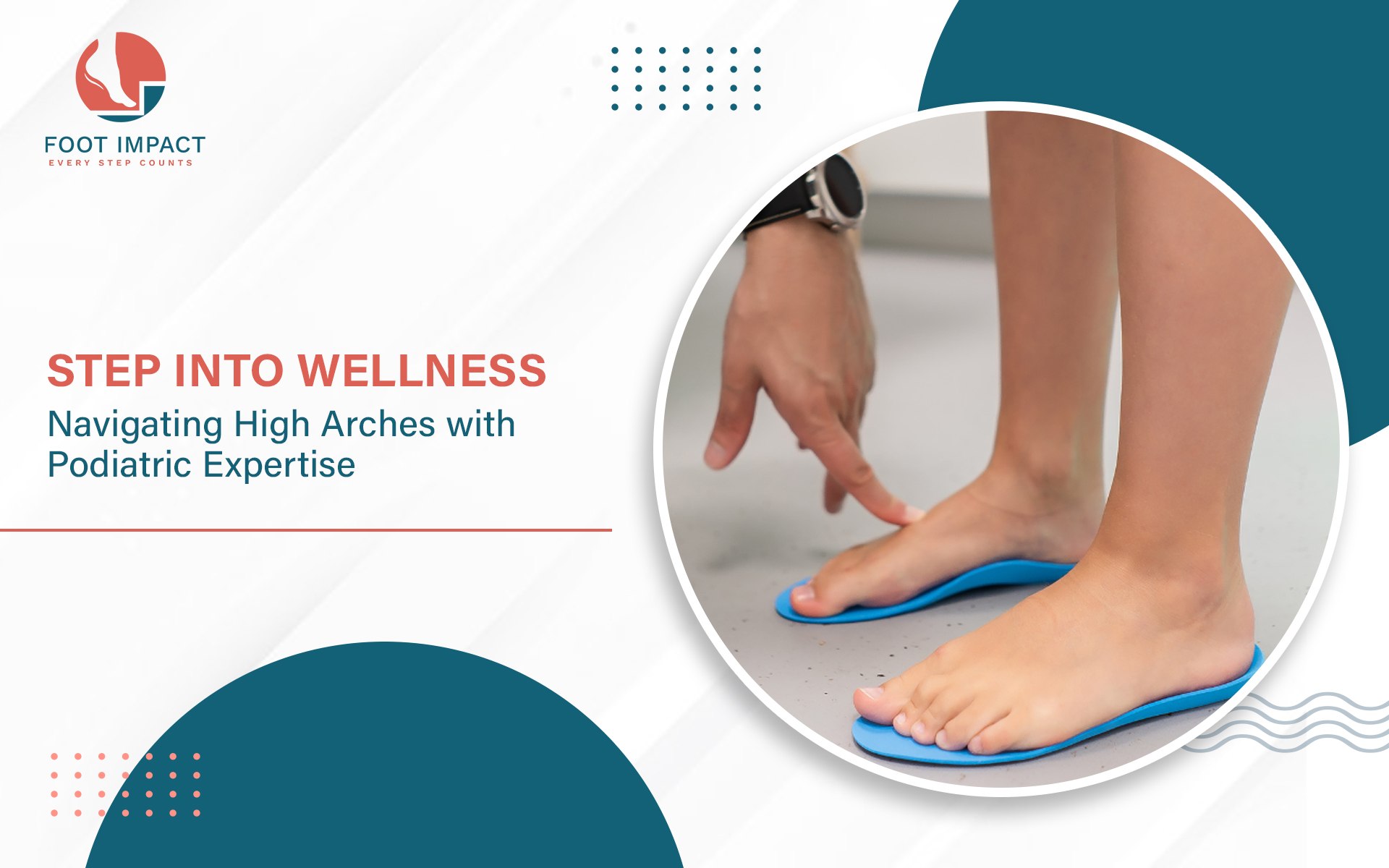
High arches: Only the heel and ball of the foot make significant ground contact
Flat feet: Nearly the entire sole contacts the ground
Why Arch Support Matters
Shoes without proper arch support force your foot's muscles and ligaments to work overtime. This leads to muscle fatigue, pain, and eventually structural changes. The right podiatrist recommended shoes India specialists suggest should have built-in arch support or accommodate custom orthotics.
For those with flat feet, arch support becomes critical. Without it, the condition can worsen and contribute to problems like:
Posterior tibial tendon dysfunction
Plantar fasciitis
Knee and hip pain (due to altered gait mechanics)
Lower back problems
Our foot corn and callus treatment services frequently involve addressing problems that started with inadequate arch support, as altered pressure distribution creates friction points that develop into corns and calluses.
According to the Indian Journal of Orthopaedics, the prevalence of flat feet in Indian adults ranges from 8% to 23% depending on the population studied, making this a significant concern for footwear selection.
3. Firm Heel Counter: Stability Where You Need It
The heel counter is the back part of the shoe that cups your heel. While you might not pay much attention to this feature, podiatrists consider it essential for proper foot alignment and injury prevention.
Testing Heel Counter Firmness
A proper heel counter should be firm enough that it doesn't collapse when you squeeze it from the sides. Try this in the store: hold the shoe and press the heel counter inward from both sides. If it easily folds or feels flimsy, that's a red flag.
The heel counter's job is to:
Keep your heel centered and prevent excessive side-to-side motion
Control pronation (inward rolling) and supination (outward rolling)
Provide stability during the push-off phase of walking
Reduce stress on ankle tendons and ligaments
Without a firm heel counter, your heel slides around inside the shoe, creating friction (hello, blisters) and allowing excessive motion that stresses foot and ankle structures. This is particularly important for athletic shoes, where quick directional changes demand stable heel positioning.
4. Appropriate Cushioning: Protection Without Excess
Cushioning in the footwear buying guide discussion often becomes confusing because more isn't always better. The goal is adequate shock absorption without sacrificing stability or ground feel.
The Goldilocks Principle of Cushioning
Your shoes need enough cushioning to absorb impact forces, especially if you walk on hard surfaces like concrete or tile. However, excessive cushioning can actually decrease foot strength and proprioception (your ability to sense foot position and movement).
For the heel area: Good cushioning here protects against heel pain and helps prevent plantar fasciitis, one of the most common causes of heel discomfort affecting up to 10% of the population according to American Family Physician journal.
For the forefoot: Moderate cushioning protects the ball of your foot during push-off without creating instability.
The material matters too. EVA (ethylene-vinyl acetate) foam is common and effective, though it compresses over time. Polyurethane foam lasts longer but is slightly heavier. Memory foam molds to your foot but may be too soft for some activities.
Special Considerations for Diabetic Patients
For people with diabetes, cushioning becomes even more critical. Diabetic neuropathy reduces sensation in the feet, making it harder to notice pressure points that could develop into ulcers. The Centre for Disease Control and Prevention emphasizes that proper footwear is essential for diabetic foot care.
If you have diabetes, consult with a podiatrist about therapeutic footwear options that provide extra cushioning and pressure distribution.
5. Flexible Forefoot with Rigid Midfoot: The Right Bend Points
Here's where shoe construction gets interesting. Your foot naturally bends at the ball (where your toes connect), but the midfoot (arch area) should remain relatively stable. Correct footwear features include matching this biomechanical reality.
The Twist and Bend Test
When evaluating shoes, perform these two simple tests:
Bend Test: Hold the shoe at both ends and try to fold it. The shoe should bend at the ball of the foot area, not in the middle. If it folds in half easily at the arch, it lacks proper support.
Twist Test: Hold the shoe at both ends and try to wring it like a towel. A good shoe should resist excessive twisting, indicating adequate midfoot stability.
Shoes that bend in the wrong places force your foot to work harder to maintain stability. This leads to muscle fatigue, arch pain, and eventually structural problems. Athletic footwear especially needs this proper combination of flexibility and rigidity to support the running or walking motion efficiently.
6. Breathable Materials: Moisture Management Matters
In India's climate, breathability isn't just about comfort—it's a health issue. Feet have about 250,000 sweat glands and can produce up to half a pint of moisture daily. Without proper ventilation, this creates a breeding ground for fungal infections like athlete's foot.
Natural vs. Synthetic Materials
Leather: The traditional choice offers excellent breathability and durability. It molds to your foot shape over time and allows air circulation. However, it requires regular maintenance and can be expensive.
Mesh fabrics: Common in athletic shoes, these synthetic materials provide superior breathability and quick drying. They're lightweight but may not offer the same durability or structure as leather.
Canvas: A middle ground offering decent breathability at affordable prices, though it may lack the support features of more technical constructions.
Podiatrist recommended shoes India specialists often suggest leather or quality mesh materials, especially if you spend long hours on your feet. The investment in breathable footwear pays off in reduced foot odor, decreased infection risk, and greater overall comfort.
The Socks Equation
Even the most breathable shoe won't help if you're wearing the wrong socks. Choose moisture-wicking materials like merino wool or technical synthetic blends rather than pure cotton, which holds moisture against your skin.
7. Appropriate Heel Height: The Biomechanics of Elevation
The debate about heel height isn't just fashion versus comfort—it's about physics and anatomy. Every inch of heel elevation changes how your body weight distributes across your foot and affects the entire kinetic chain from feet to spine.
The Ideal Heel-to-Toe Drop
For most everyday activities, podiatrists recommend a heel-to-toe drop (the height difference between heel and forefoot) of about 4-8mm. This slight elevation provides some shock absorption while maintaining relatively natural foot positioning.
Flat shoes (0mm drop): While they sound healthy, completely flat shoes can be problematic for people accustomed to elevation. The sudden change can strain Achilles tendons and calf muscles. If transitioning to minimal footwear, do so gradually.
Low heels (1-2 inches): Generally acceptable for most people and can actually reduce pressure on the forefoot compared to completely flat shoes.
High heels (2+ inches): Shift excessive weight to the forefoot, compress toes, shorten calf muscles over time, and increase injury risk. According to research in the Journal of Foot and Ankle Research, regular high heel use significantly increases the risk of foot pain and deformities.
If you must wear heels for work or occasions, limit duration, choose lower heights when possible, and alternate with supportive flats to give your feet recovery time.
Beyond the Basics: Additional Considerations
Break-in Period vs. Immediate Comfort
A common myth suggests that shoes need extensive breaking in, during which discomfort is normal. While some materials do soften slightly, best shoes for foot pain should feel comfortable from the first wear. Persistent discomfort signals a poor fit, not a break-in issue.
Replacement Timeline
Even the highest quality shoes don't last forever. The National Institute of Health suggests replacing athletic shoes every 300-500 miles of use or every 6-12 months for daily wear shoes. Compressed cushioning and worn outsoles no longer provide adequate support and protection.
Activity-Specific Footwear
Different activities place different demands on your feet. Running shoes need more cushioning in the heel for repeated impact. Walking shoes benefit from more forefoot cushioning. Work shoes for standing professions should emphasize arch support and cushioning throughout. Don't expect one pair of shoes to serve all purposes effectively.
Red Flags: Shoes Podiatrists Want You to Avoid
Certain footwear types consistently cause problems in podiatry clinics:
Flip-flops for extended wear: While fine for beach or pool, regular use forces toe-gripping that can lead to hammertoes and plantar fasciitis
Ballet flats without support: The combination of thin soles and no arch support creates excessive impact and arch strain
Worn-out shoes: When you can see uneven wear patterns or compressed cushioning, it's time to replace them
Shoes that don't match your foot width: Forcing wide feet into narrow shoes or losing stability in too-wide shoes
Non-adjustable slip-ons: Without laces or straps, your foot slides around inside the shoe, creating friction and instability
If you're experiencing persistent foot pain despite changing shoes, professional evaluation is important. Our podiatry services at Foot Impact include comprehensive foot assessments to identify underlying issues and recommend appropriate footwear solutions.
Making the Right Choice: Practical Shopping Tips
Armed with knowledge about correct footwear features, here's how to shop effectively:
Shop in the afternoon or evening: Feet swell throughout the day, so afternoon sizing ensures adequate room
Measure both feet: Many people have slightly different sized feet—buy for the larger foot
Walk around the store: Stand, walk, and even jog a bit if appropriate for the shoe type
Check flexibility and support: Perform the bend and twist tests right in the store
Consider your orthotics: If you use custom insoles, bring them to try with new shoes
Don't rely on brand loyalty alone: Sizing and fit can vary between models even within the same brand
Invest appropriately: You don't need the most expensive shoes, but extremely cheap footwear rarely includes the features discussed here
Frequently Asked Questions
Q: Are expensive shoes always better for foot health?
Not necessarily. While quality construction often costs more, the most expensive shoes aren't automatically the best for your feet. Focus on the features discussed in this footwear buying guide rather than price alone. Well-constructed shoes at moderate price points can offer excellent support and durability.
Q: Can the wrong shoes really cause long-term damage?
Yes. Chronic use of inappropriate footwear contributes to structural deformities like bunions and hammertoes, worsens conditions like flat feet and plantar fasciitis, and can even affect posture and create knee, hip, or back problems due to altered biomechanics.
Q: How do I know if I need custom orthotics instead of just good shoes?
If you have persistent foot pain despite wearing supportive footwear, significant structural issues like severe flat feet or high arches, or conditions like diabetes requiring specialized foot care, consult a podiatrist. Custom orthotics are precisely molded to your feet and address specific biomechanical issues that even the best off-the-shelf shoes can't fully correct.
Q: Is it okay to wear different shoes for different activities?
Absolutely—in fact, it's encouraged. Athletic activities, casual walking, formal occasions, and workplace requirements all benefit from activity-appropriate footwear. Having multiple pairs also allows shoes to fully dry between wears, extending their lifespan.
Q: What about traditional Indian footwear like chappals and juttis?
Traditional footwear can be appropriate for short-term wear, but most lack the arch support and cushioning needed for extended walking or standing on hard surfaces. If you prefer traditional styles, look for modern versions that incorporate better support features, or limit wear to shorter durations.
Q: Can children wear the same type of shoes as adults?
Children's feet are still developing and have different needs. Look for flexible shoes that don't restrict natural foot motion, adequate room for growth, and breathable materials. According to the American Academy of Pediatrics, children's shoes should be supportive but not overly structured, allowing natural development.
Taking the Next Step Toward Healthier Feet
Understanding what podiatrist recommended shoes India specialists look for empowers you to make choices that protect your foot health for years to come. While fashion and personal style certainly matter, they shouldn't come at the expense of the feet that carry you through life.
The seven features discussed—adequate toe box space, proper arch support, firm heel counters, appropriate cushioning, correct flexibility patterns, breathable materials, and suitable heel height—represent the foundation of footwear that supports rather than harms your feet. These aren't optional luxuries; they're essential components of shoes that work with your body's natural biomechanics.
If you're currently experiencing foot pain, developing corns or calluses, or notice changes in your gait or posture, don't wait for problems to worsen. Professional evaluation can identify issues early when they're most treatable. At Foot Impact, we specialize in comprehensive foot care, from basic discomfort to complex conditions, helping patients in Mumbai find relief and maintain optimal foot health.
Remember that foot health is an investment, not an expense. The right shoes prevent problems that could otherwise require medical treatment, time off work, or reduced mobility. Your future self will thank you for the attention you give to correct footwear features today.
Ready to find shoes that truly support your foot health, or need professional guidance for existing foot problems? Visit Foot Impact for expert podiatry care from India's leading foot health specialists. Your feet deserve the best—give them the foundation they need to keep you moving comfortably for years to come.