Marathon Runner Foot Care at Foot Impact
Run Stronger. Run Smarter. Protect Your Most Important Weapon Your Feet.
For marathon runners, the foot is not just a body part — it is a performance engine. Every stride places repetitive biomechanical stress on muscles, ligaments, tendons, and joints.
At FootImpact, we provide scientific, non-surgical, root-cause–based foot care for runners, focusing on injury prevention, biomechanical correction, and performance optimization.
We don’t just treat pain. We correct what causes it.
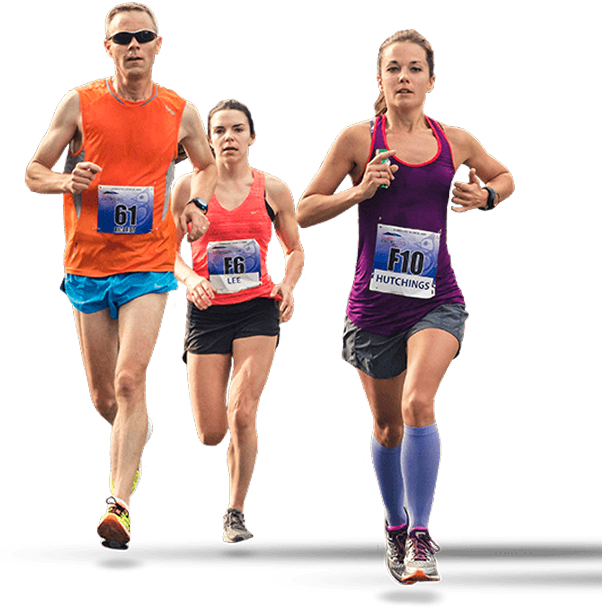
Performance & Prevention
Why Runners Need Professional Foot Care
Long-distance running creates repetitive load cycles on:
 Plantar fascia
Achilles tendon
Forefoot joints
Arch stabilizers
Ankle ligaments
Even small biomechanical deviations can lead to:
Chronic heel pain
Forefoot overload
Muscle cramps
Tendon inflammation
Reduced running efficiency
Regular podiatric evaluation ensures:
Injury prevention
Improved stride mechanics
Better energy transfer
Long-term performance sustainability
Clinical Runner Assessments
Why Runners Need Professional Foot Care
Long hours of standing or walking at work
False. Feet do not swell excessively during running. The correct shoe should have a one-finger gap in front this already accounts for natural expansion.
Black Toenails Are Normal in Runners.
No. Toe blackening usually indicates shoe size is too small, repetitive toe trauma, or incorrect running mechanics. This is preventable.
Long hours of standing or walking at work
Not always. Foot and calf cramps often result from overpronation/supination, muscle overuse due to poor alignment, and biomechanical imbalance. Alignment is often the root cause.
Long hours of standing or walking at work
Incorrect. Shoes must match your foot type (stability for overpronators, cushioned for supinators, balanced for neutral). Heel-to-toe drop alone does not determine stability.
Common Foot Problems Marathon Runners Face
Metatarsalgia (Forefoot Pain)
Excess pressure on the ball of the foot.
Plantar Fasciitis (Heel Pain)
Inflammation of the plantar fascia due to overload.
Achilles Tendinitis
Overuse injury of the Achilles tendon.
Corns & Calluses
Repeated friction from improper footwear.
Toe Injuries & Black Nails
From tight or poorly fitted shoes.
Arch Pain
Often linked to flat feet or high arches.
Ankle Instability
Due to torsion stress or poor foot control.
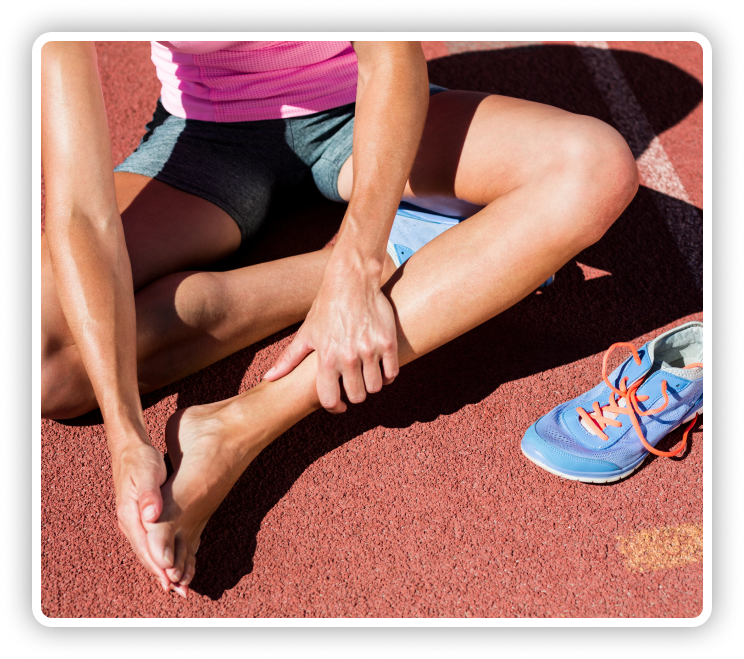

Why These Problems Develop
Biomechanical Deviations
- Flat feet
- High arches
- Overpronation
- Supination
These alter weight distribution and overload specific structures.
Wrong Shoe Selection
Narrow toe boxes, trendy casual footwear, poor cushioning, or incorrect support cause repeated trauma
Overuse & Surface Impactz
Long-distance training on hard concrete without recovery increases tissue fatigue.
Ignoring Early Warning Signs
Small pain ignored → chronic injury → performance drop.

Our 4-Step
FootImpact Approach to Knee Pain Foot Care
We focus on biomechanical precision not temporary pain suppression.
Clinical & Gait Assessment
We evaluate:
- Foot alignment
- Arch structure
- Pronation pattern
- Running mechanics
- Pressure distribution
Computerized gait analysis is used when necessary to identify subtle deviations.
On-the-Spot Orthotic Correction
Custom bedside orthotics are prepared immediately to:
- Correct overpronation or supination
- Improve load distribution
- Reduce strain on plantar fascia
- Optimize stride efficiency
Runners can test them the same day.
Performance-Based Orthotics
Orthotics are customized for:
- Running shoes
- Casual footwear
- Training routines
Designed for compliance and performance not bulkiness.
Follow-Up & Adaptation
Most runners experience relief by the first follow-up.Two additional follow-ups (15–20 days apart) typically restore pain-free training capacity
The Secret Weapon
Why Orthotics Improve Performance
- Reduces medial or lateral knee overload
- Improve propulsion efficiency
- Prevent fatigue
- Reduce injury recurrence
Orthotics are not just therapeutic, they are performance tools.
Start Your Performance-Focused Foot Care Program
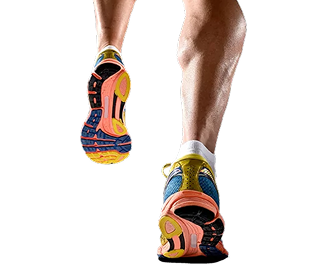
What Results Can You Expect?
With proper intervention:
- Reduced heel and forefoot pain
- Improved stride stability
- Fewer cramps
- Prevention of black toenails
- Enhanced running efficiency
- Faster recovery cycles
Frequently Asked Questions
Don’t let wrong shoes or unnoticed biomechanical errors limit your potential.
At FootImpact, we provide scientific, non-surgical, precision-based runner foot care to keep you injury-free and race-ready.