Metatarsalgia Forefoot Pain Treatment at Foot Impact
Walk pain-free by correcting the root cause
Forefoot pain can make every step uncomfortable. At FootImpact, we provide scientific, non-surgical treatment for Metatarsalgia Forefoot Pain by correcting the pressure and biomechanical issues that cause pain in the ball of the foot.
Understanding the Symptom
What is Forefoot Pain?
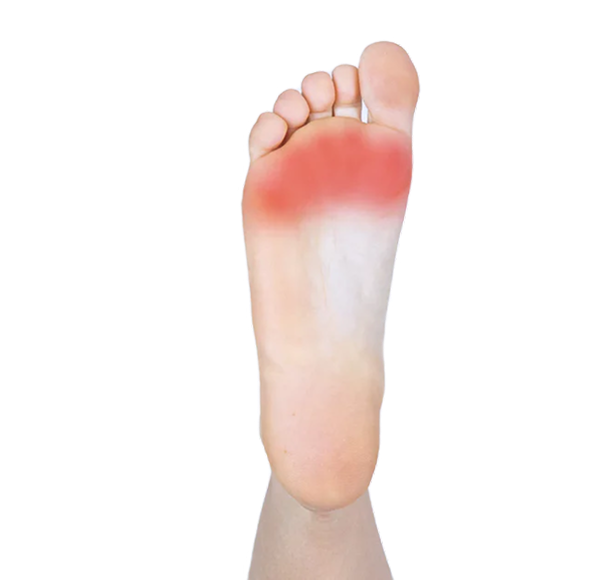
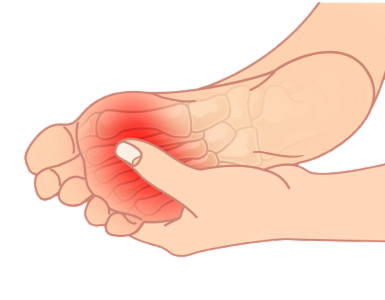
Forefoot pain refers to pain felt in the front part of the foot near the ball of the foot and toes.
It is important to understand that forefoot pain is not a diagnosis. It is a symptom that can arise from different foot conditions. Treating only the pain without identifying the cause often leads to recurrence.
At FootImpact, we focus on finding why the pain started, not just where it hurts.
Common Diagnoses Behind Forefoot Pain
Several conditions can cause Metatarsalgia Forefoot Pain, including:
Metatarsalgia
Pain and inflammation in the ball of the foot due to excessive pressure on the metatarsal bones.
Bunions
A bony prominence at the base of the big toe that alters foot alignment and increases forefoot stress.
Diabetic Forefoot Pressure
In diabetes, repeated pressure can lead to calluses, skin breakdown, ulcers, and infection in the forefoot area.
Morton’s Neuroma
Thickening of nerve tissue between the toes causing burning pain, tingling, or numbness.
Other Causes
Hammertoes, sesamoiditis (pain in small bones under the big toe), and arthritis can also lead to chronic forefoot pain.
Key Symptoms of Metatarsalgia
- Pain in the Ball of the Foot: The primary symptom, typically located just behind the toes, often described as burning, shooting, or aching.
- Worsening Activity: Pain intensifies when standing, walking, running, or flexing the foot, and often improves with rest.
- Sensory Changes: Numbness, tingling, or a "pins and needles" sensation in the toes.
- Foreign Body Sensation: A feeling as if a stone or pebble is stuck inside the shoe.
- Physical Changes: Swelling, inflammation, and potential calluses on the sole of the foot.
- Discomfort with Footwear: Pain that is more pronounced when wearing shoes or walking without shoes.


Why Metatarsalgia & Forefoot Pain Happens
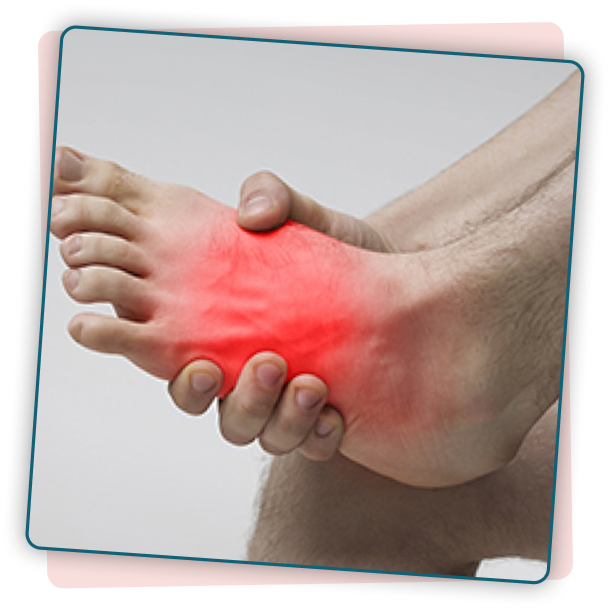
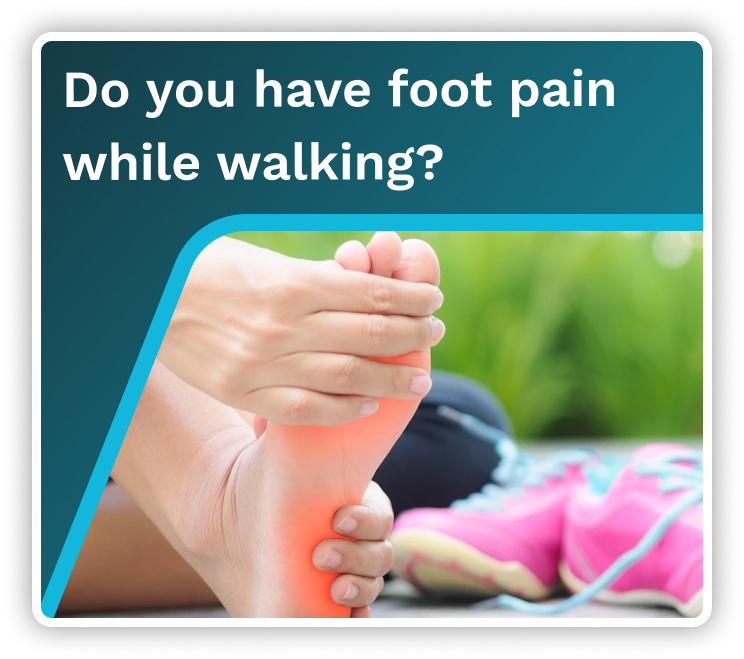
The most common reason behind Metatarsalgia Forefoot Pain is excessive pressure on the forefoot. This pressure builds up due to multiple factors:
Biomechanical Misalignment
- Week Transverse arch
- Flat feet or high arches
- Overpronation (foot rolling inward too much)
- Underpronation or supination (foot rolling outward)
These imbalances change how body weight is distributed while walking. Instead of spreading evenly, pressure concentrates on the forefoot, causing repeated micro-trauma and inflammation.
Wrong Footwear
- Men: Narrow, pointed shoes or shoes with raised heels increase forefoot load
- Women: High heels shift body weight forward; tight ballerinas and hard flat soles lack shock absorption
Other Contributing Factors
- Long hours of standing or walking on hard floors
- Weak foot muscles or poor posture
- Obesity or sudden weight gain

What Happens If Forefoot Pain Is Ignored
What Happens If Forefoot Pain Is Ignored
- Pain becomes more frequent and intense
- Walking pattern changes subconsciously to avoid pain
- Secondary issues develop in the knees, hips, and lower back
- Diabetics face a higher risk of ulcers and infections
- Overall mobility and quality of life reduce
Early correction prevents long-term damage.
Book Your Assessment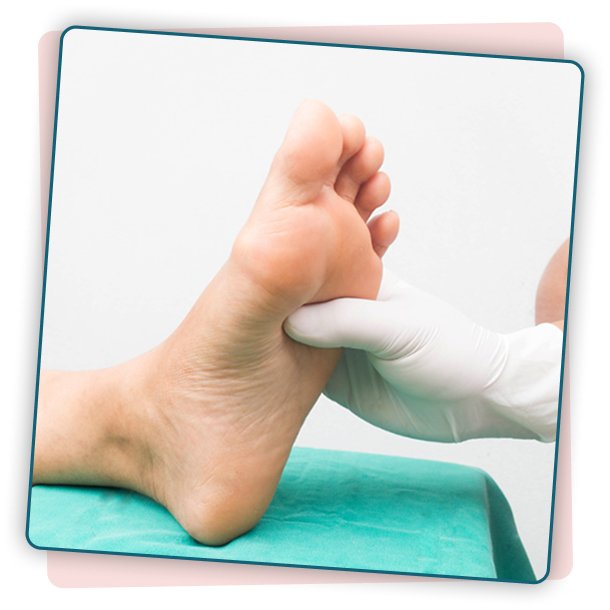
Our 4-Step
FootImpact Approach to Metatarsalgia Forefoot Pain
At FootImpact, we focus on root cause correction, not temporary relief.
Clinical & Gait Assessment
We evaluate foot structure, pressure points, and walking pattern. Computerised gait analysis is used when required.
On-the-Spot Orthotic Correction
Custom orthotics are designed immediately to correct overpronation or underpronation. Also it helps to reduce forefoot pressure. Patients can walk with them right away and feel the difference.
Lifestyle-Based Orthotics
Orthotics are customised according to daily footwear and lifestyle:
- Open footwear for homemakers
- Sandals for working women
- Formal and casual shoes for men
This ensures comfort and long-term usage.
Follow-Ups & Long-Term Correction
Most patients experience significant relief quickly. Orthotics are refined over follow-ups to ensure lasting correction.
Expected Results & Recovery
Many patients feel same-day relief
Around 70% improvement by the first follow-up
Orthotics work as a long-term lifestyle solution
Prevents recurrence by correcting lifelong biomechanical deviations
Start Non-Surgical Forefoot Pain Treatment
Frequently Asked Questions
Forefoot pain is common but living with it is not necessary.
At FootImpact, we offer scientific, personalised, and non-surgical care for Metatarsalgia Forefoot Pain, helping you walk comfortably and confidently again.